
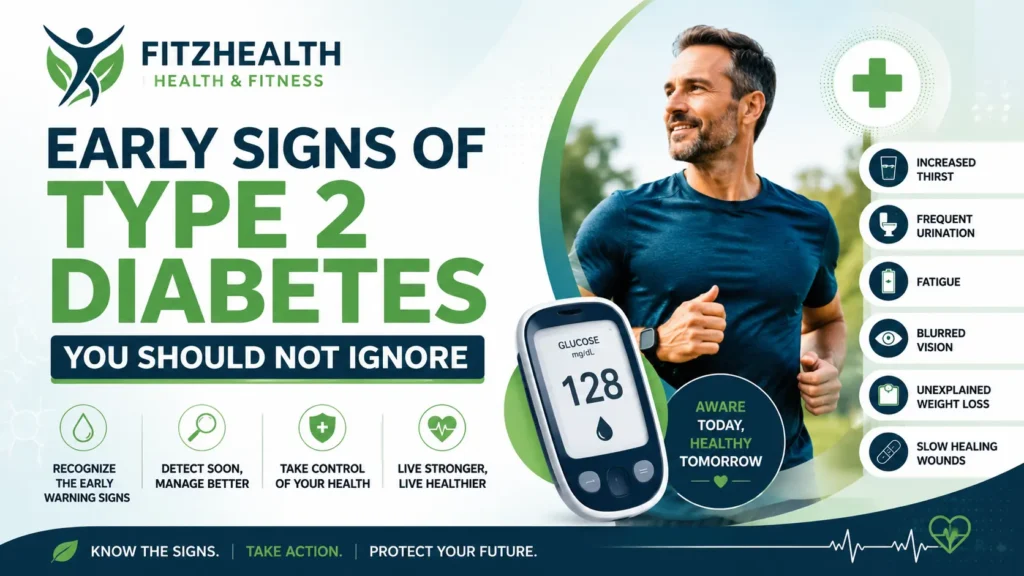
Feeling unusually thirsty, waking up repeatedly to urinate or struggling with tiredness that never seems to improve can be easy to dismiss. You may blame the weather, work pressure, poor sleep or simply getting older.
Sometimes, however, a combination of these changes can be an early warning of type 2 diabetes.
Type 2 diabetes commonly develops slowly. Its symptoms may remain mild for years, and some people experience no noticeable symptoms at all. This is why diabetes is often detected during a routine blood test rather than because someone felt seriously unwell.
Recognising possible symptoms does not mean diagnosing yourself. Many of these symptoms have other causes. However, noticing them can give you a good reason to speak with a healthcare professional and get your blood glucose tested.
Important: Symptoms alone cannot confirm type 2 diabetes. Diagnosis requires appropriate blood testing in a healthcare setting.
What happens in type 2 diabetes?
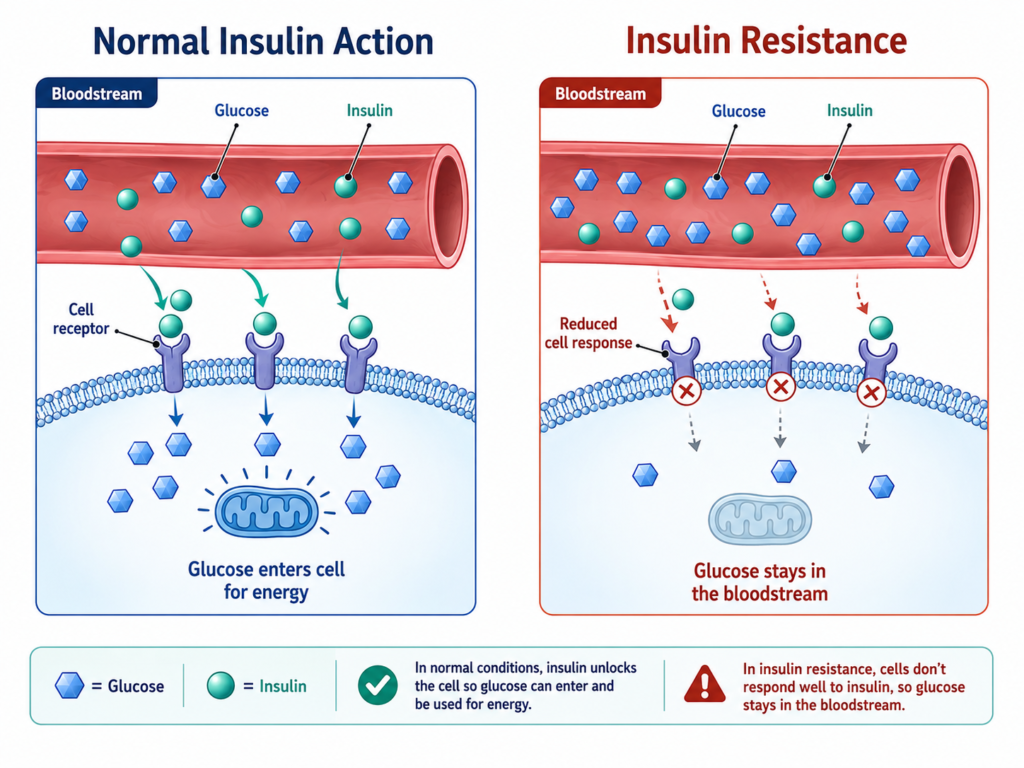
Insulin is a hormone that helps glucose move from your bloodstream into your cells, where it can be used for energy.
In type 2 diabetes, the muscles, fat and liver do not respond properly to insulin. This is known as insulin resistance. The pancreas initially produces more insulin to compensate, but it may eventually be unable to keep blood glucose within a healthy range.
As blood glucose rises, it can affect energy levels, urination, thirst, vision, nerves, skin and the body’s ability to fight infections. Persistent high blood glucose can eventually damage the eyes, kidneys, nerves, heart and blood vessels.
Early signs of type 2 diabetes at a glance
Possible warning signs include:
-
- Frequent urination, particularly at night
-
- Increased thirst
-
- Increased hunger
-
- Persistent fatigue
-
- Blurred vision
-
- Unexplained weight loss
-
- Cuts or sores that heal slowly
-
- Repeated urinary, skin or yeast infections
-
- Tingling or numbness in the hands or feet
-
- Dark, velvety patches around the neck, armpits or groin
These symptoms can develop gradually and may be so mild that they are overlooked.
1. Frequent urination
Needing to urinate more often than usual is one of the better-known symptoms of diabetes.
You may notice that you are visiting the bathroom more frequently during the day or waking up several times at night. The change matters more than an arbitrary number of bathroom visits. Pay attention to what is unusual for you.
Frequent urination has many possible causes, including drinking more fluids, urinary infections, certain medicines and prostate or bladder problems. However, when it occurs together with excessive thirst, fatigue or blurred vision, blood glucose testing may be appropriate. Increased urination is consistently listed among the common symptoms of diabetes by the CDC, NIDDK and WHO.
2. Feeling unusually thirsty
Increased thirst often appears alongside frequent urination.
This is not simply feeling thirsty after exercise or during hot weather. People may describe a persistent dry mouth or a feeling that drinking water does not fully satisfy their thirst.
Repeated thirst and urination should not automatically be labelled as diabetes, but the combination deserves attention—especially when it represents a clear change from your normal routine.
3. Feeling hungry even after eating
Food is broken down into glucose, which normally moves from the bloodstream into the cells with the help of insulin.
When insulin is not working effectively, the body may struggle to use glucose normally. Some people consequently notice increased hunger, even after eating a regular meal. Increased hunger is recognised as a common diabetes symptom by the CDC, ADA and NIDDK.
Hunger alone is not a reliable diabetes test. Sleep deprivation, restrictive dieting, stress and several medical conditions can also increase appetite. Look at the overall pattern rather than one isolated symptom.
4. Persistent fatigue
Everyone gets tired. Diabetes-related fatigue, however, may feel persistent and out of proportion to your activity or sleep.
Because insulin helps glucose enter cells for energy, impaired insulin action can interfere with the body’s normal energy use. NIDDK explains that when glucose cannot enter cells appropriately, the cells lack energy while glucose remains elevated in the bloodstream.
Fatigue is highly nonspecific. Anaemia, thyroid disorders, vitamin deficiencies, infections, sleep apnoea, depression and many other conditions can cause similar symptoms.
Consider medical evaluation when tiredness:
-
- Continues despite adequate rest
-
- Interferes with work or normal activities
-
- Occurs with thirst or increased urination
-
- Is accompanied by blurred vision or unexplained weight change
5. Blurred or fluctuating vision
High blood glucose can be associated with blurred vision. Some people notice that their vision seems to change during the day or that their usual glasses do not feel as effective. Blurred vision appears in the symptom lists published by the CDC, WHO, ADA and NIDDK.
Blurred vision has many possible explanations, including ordinary changes in eyesight. Sudden vision loss, severe eye pain, flashing lights or a curtain-like shadow across your vision needs prompt eye or emergency assessment rather than waiting for a routine diabetes test.
Long-term uncontrolled diabetes can damage blood vessels in the eyes, so persistent visual changes should not be ignored.
6. Unexplained weight loss
Losing weight without changing your diet or physical activity can be a warning sign of diabetes.
Although sudden weight loss is more strongly associated with type 1 diabetes, NIDDK also includes unexplained weight loss among the possible symptoms of type 2 diabetes.
Unintentional weight loss can have several serious causes. Arrange a medical evaluation when weight loss is significant, continues without explanation or is accompanied by weakness, increased hunger, thirst or frequent urination.
Do not treat unexplained weight loss as a convenient bonus. Your body is not running an unsolicited fitness programme.
7. Cuts, sores or wounds that heal slowly
Cuts or sores that take unusually long to heal may occur in people with diabetes.
High blood glucose can make immune function less effective. Diabetes can also affect circulation and nerves, increasing the likelihood that a wound becomes infected or remains unnoticed.
Pay particular attention to sores on the feet. Numbness may make a small blister or cut difficult to feel, while reduced blood flow can make healing more difficult.
Seek medical care for a wound that is:
-
- Becoming red, warm, swollen or painful
-
- Producing pus or an unusual discharge
-
- Turning dark
-
- Accompanied by fever
-
- Not improving as expected
8. Frequent infections
Repeated infections may be another clue.
Recognised diabetes-related infections include urinary tract infections, skin infections and yeast infections. High blood glucose can place additional stress on the immune system and make it harder for the body to fight infection effectively. Recovery may also take longer.
A single infection does not mean you have diabetes. Testing becomes more relevant when infections are recurring, unusually persistent or present alongside thirst, frequent urination, fatigue or slow wound healing.
9. Tingling or numbness in the hands or feet
Tingling, burning, pain or reduced sensation in the hands or feet may indicate nerve involvement.
The CDC and NIDDK list pain, numbness or tingling among symptoms that can occur in people with type 2 diabetes.
Nerve symptoms may develop after blood glucose has been elevated for some time, so they should not be considered harmless simply because no other symptoms are present.
Several other conditions can also cause tingling, including vitamin B12 deficiency, trapped nerves, thyroid disease and circulation problems. A medical assessment is needed to identify the cause.
10. Dark, velvety patches of skin
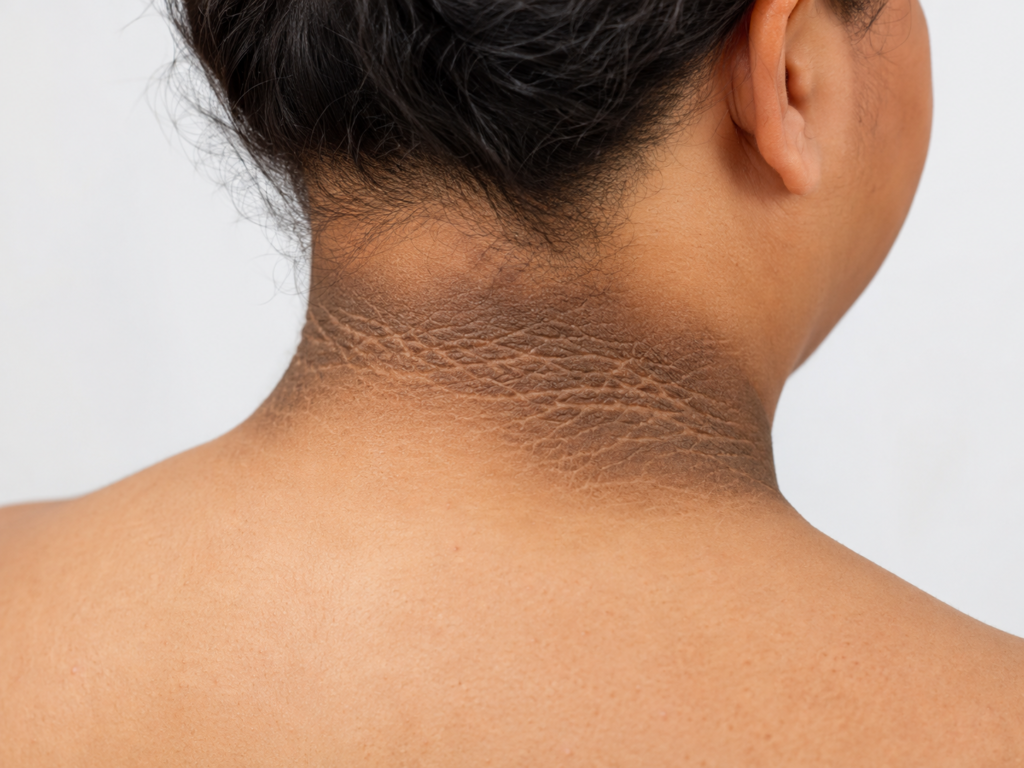
Darkened, thick or velvety skin around the neck, armpits or groin is called acanthosis nigricans.
The CDC identifies acanthosis nigricans as a sign of insulin resistance that may be associated with prediabetes or type 2 diabetes.
These patches are different from ordinary tanning or pigmentation. They often feel thicker or more velvety than the surrounding skin and commonly develop within body folds.
Acanthosis nigricans does not confirm diabetes. It can have other causes, but it is a reasonable reason to discuss metabolic screening with a healthcare professional.
Can type 2 diabetes develop without symptoms?
Yes.
One of the most important facts about type 2 diabetes is that you may feel completely well. Symptoms can take several years to become noticeable, remain extremely mild or never appear before diabetes is found during routine testing.
Prediabetes also commonly has no clear symptoms. The ADA notes that many people discover it only after blood testing.
Feeling fine is reassuring, but it is not a laboratory result.
Who should consider diabetes testing?
Speak with a healthcare professional about testing when you have possible symptoms or important risk factors.
Risk factors recognised by NIDDK include:
-
- A family history of type 2 diabetes
-
- Prediabetes
-
- Overweight or obesity
-
- Low levels of physical activity
-
- Increasing age
-
- Previous gestational diabetes
-
- Having delivered a baby weighing nine pounds or more
-
- Belonging to an ethnic population with a higher recognised diabetes risk
Screening recommendations differ by country and individual circumstances. NIDDK’s current public guidance recommends routine testing for adults aged 35 or older and earlier testing for people with relevant risk factors. People with normal results may generally be retested at intervals determined by their clinician and risk profile.
Testing may be recommended earlier when symptoms are present, regardless of age.
Which tests diagnose type 2 diabetes?
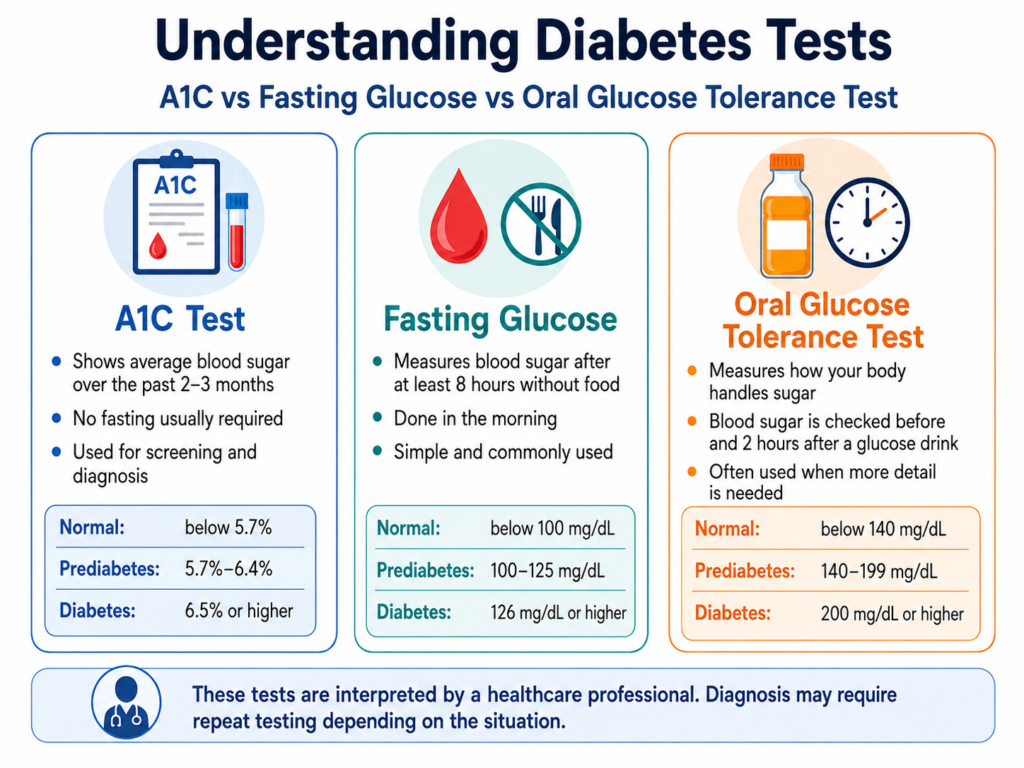
A healthcare professional may use one or more blood tests.
| Test | Prediabetes range | Diabetes range |
| HbA1c/A1C | 5.7%–6.4% | 6.5% or higher |
| Fasting plasma glucose | 100–125 mg/dL | 126 mg/dL or higher |
| Two-hour oral glucose tolerance test | 140–199 mg/dL | 200 mg/dL or higher |
| Random plasma glucose | Not normally used to define prediabetes | 200 mg/dL or higher with severe or classic symptoms |
The A1C test reflects average blood glucose over approximately two to three months. Fasting plasma glucose requires at least eight hours without food or drinks other than water. An oral glucose tolerance test checks the body’s response before and two hours after a glucose drink.
A diagnosis commonly needs confirmation with repeat testing on another day. The ADA notes that repeat testing may not be necessary when someone has classic symptoms together with clearly very high blood glucose.
Home glucose meters and pharmacy readings can be useful screening clues, but an abnormal result should be followed up through a healthcare professional or laboratory.
When should you seek urgent medical attention?
Most type 2 diabetes symptoms develop gradually. However, severe hyperglycaemia and diabetic ketoacidosis can occasionally occur in people with type 2 diabetes, particularly when insulin production becomes severely limited.
Seek urgent medical attention for symptoms such as:
-
- Repeated vomiting
-
- Severe abdominal pain
-
- Difficulty breathing
-
- Fruity-smelling breath
-
- Fainting
-
- Severe dehydration
-
- New confusion or reduced alertness
These symptoms should not be managed by waiting for an ordinary clinic appointment.
Frequently asked questions
1. What are usually the first signs of type 2 diabetes?
Frequent urination, increased thirst, increased hunger, tiredness and blurred vision are among the commonly reported symptoms. However, there is no universal order, and some people have no noticeable symptoms.
2. Is weakness an early symptom of diabetes?
Diabetes can cause fatigue or a general lack of energy. However, weakness is not specific to diabetes and can result from anaemia, infections, thyroid disease, sleep problems, nutritional deficiencies and other conditions. Testing is more important when weakness occurs with thirst, frequent urination, blurred vision or unexplained weight loss.
3. Can you have diabetes without feeling thirsty?
Yes. Not everyone experiences every symptom. Type 2 diabetes may cause only mild symptoms or no symptoms at all.
4. Does frequent urination always mean diabetes?
No. Frequent urination may also be caused by increased fluid intake, urinary infections, medicines, pregnancy, prostate conditions and bladder problems. Diabetes testing may be appropriate when it is persistent or accompanied by other warning signs.
5. Are dark patches on the neck a diabetes symptom?
Dark, velvety neck patches may be acanthosis nigricans. It is associated with insulin resistance and can occur in people with prediabetes or type 2 diabetes, but it does not prove that diabetes is present.
6. Can a home glucose meter diagnose diabetes?
A home meter can show that a glucose reading is unusually high, but formal diagnosis should be made using appropriate testing in a healthcare setting.
7. Is type 2 diabetes preventable?
Some people can prevent or delay type 2 diabetes by addressing modifiable risk factors. NIDDK-supported research found that regular physical activity and losing approximately 5%–7% of body weight reduced progression among people at high risk. Individual recommendations should be discussed with a qualified healthcare professional.
The bottom line
Type 2 diabetes does not always announce itself dramatically. It may begin with ordinary-looking changes: more bathroom visits, constant thirst, unexplained tiredness, blurred vision, slow wound healing or recurring infections.
One symptom on its own rarely provides an answer. A pattern of symptoms—or the presence of important risk factors—should prompt a conversation with a healthcare professional.
The only reliable way to determine whether you have prediabetes or type 2 diabetes is through appropriate blood testing. Early detection gives you and your healthcare team more time to manage blood glucose and reduce the risk of complications.
Note: This article is for general education and is not a substitute for individual medical diagnosis or treatment.