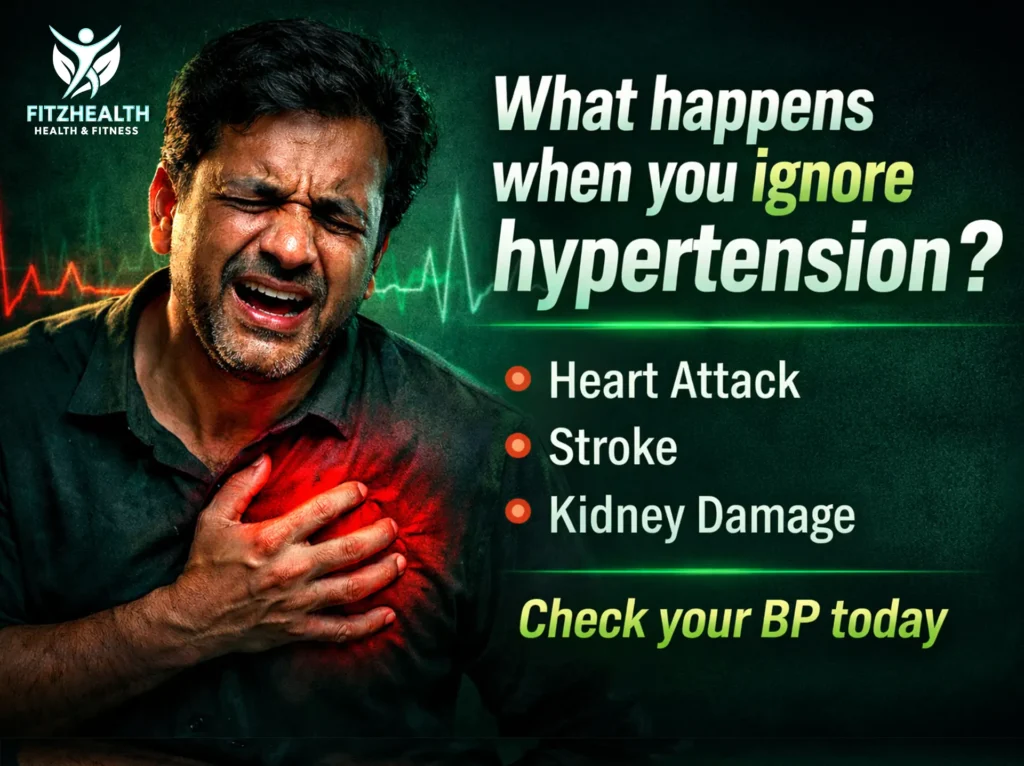
Hypertension does not always knock before it breaks the door. That is exactly what makes it dangerous. High blood pressure can sit quietly in the background for years while it slowly strains your heart, scars your blood vessels, weakens your kidneys, and raises your risk of stroke. By the time symptoms show up, the damage may already be underway.
If you have ever wondered what hypertension is, why hypertension occurs, or whether missing treatment really matters, the answer is simple: yes, it matters a lot. Hypertension is one of those conditions that people often underestimate because it may not hurt at first. But untreated high blood pressure is strongly linked to heart disease, stroke, kidney disease, and eye damage.
What hypertension is
Hypertension is the medical term for high blood pressure, which means the force of blood pushing against your artery walls stays too high over time. According to major current guidance, blood pressure is considered high from 130/80 mm Hg upward in U.S. classification systems, while the World Health Organization defines clinical hypertension in adults as 140/90 mm Hg or higher on two different days. That difference does not mean one system is wrong and the other is right; it reflects slightly different clinical frameworks. Either way, the message is the same: if your readings stay high, your body pays the price.
In plain English, blood pressure has two numbers. The top number, systolic, measures pressure when the heart pumps. The bottom number, diastolic, measures pressure when the heart relaxes between beats. When these numbers remain higher than they should, the heart and blood vessels are forced to work under extra pressure all the time.
Hypertension normal range
Understanding the hypertension normal range helps people stop guessing and start acting. The American Heart Association currently classifies blood pressure like this: normal is below 120/80, elevated is 120–129 and below 80, stage 1 hypertension is 130–139 or 80–89, and stage 2 hypertension is 140/90 or higher. Readings above 180/120 fall into a severe danger zone and may require urgent medical attention, especially if symptoms are present.
One random high reading after climbing stairs, arguing with your boss, or sprinting to your appointment is not enough to diagnose chronic hypertension. But repeated high readings are a red flag. That is why doctors rely on proper measurements over time, and why home monitoring can be useful.
Why hypertension occurs
So, why hypertension occurs is not one simple answer. It is usually a mix of genetics, age, lifestyle, and underlying health conditions. Risk rises with older age, family history, excess body weight, physical inactivity, high salt intake, heavy alcohol use, tobacco use, diabetes, kidney disease, and sometimes sleep apnea. Some people are also more salt-sensitive than others, which means sodium hits their blood pressure harder.
There is also growing public interest in stress related hypertension. Here is the straight answer: stress can definitely cause short-term spikes in blood pressure, but experts are still studying whether stress alone directly causes long-term hypertension. What is already clear is that stress often drives habits that worsen blood pressure, such as poor sleep, overeating, smoking, drinking more alcohol, and skipping exercise. So stress may not act alone, but it absolutely helps create the perfect mess.
Hypertension symptoms
One of the hardest truths about this condition is that hypertension symptoms are often absent. Many people feel perfectly normal while their blood pressure remains high. That is why it is called the “silent killer.” The body usually does not wave a warning flag early enough.
When blood pressure becomes very high, symptoms may appear. These can include headaches, blurred vision, chest pain, shortness of breath, confusion, weakness, nosebleeds, irregular heartbeat, or severe anxiety. But waiting for symptoms before taking high blood pressure seriously is like waiting for smoke before admitting the wiring was bad.
What happens when you ignore hypertension
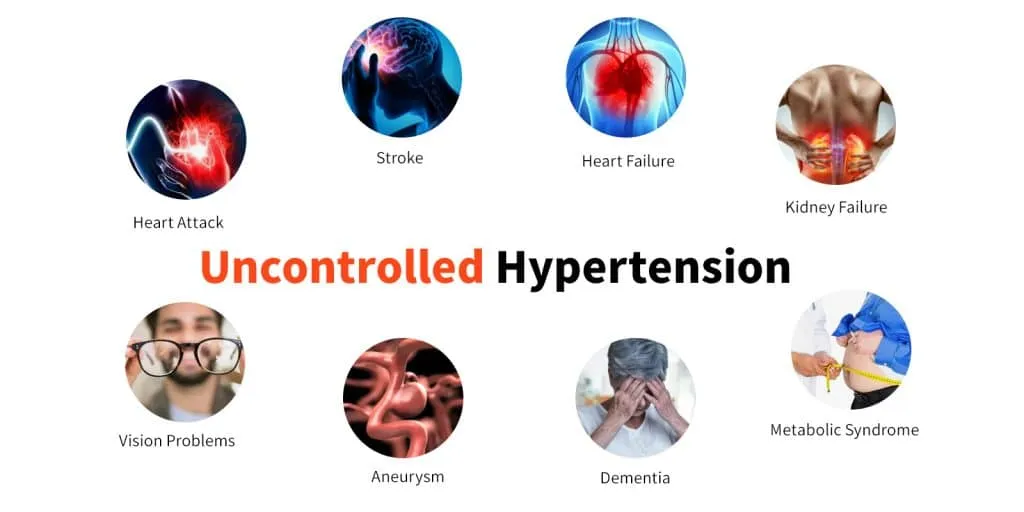
Ignoring hypertension is not harmless. It slowly damages blood vessels throughout the body. Over time, that damage raises the risk of heart attack, stroke, heart failure, kidney disease, and eye damage. The reason is mechanical and brutal: constant high pressure injures artery walls, makes them stiffer, and pushes the heart to work harder than it should.
1) Your heart takes the hit first
Untreated high blood pressure is a major risk factor for heart disease. It can thicken the heart muscle, reduce how efficiently the heart pumps, and increase the chance of coronary artery disease and heart failure. Yes, hypertension can cause heart attack by damaging arteries and helping plaque-related disease become more dangerous over time.
2) Your brain is at risk
High blood pressure is one of the most important risk factors for stroke. When pressure stays too high, blood vessels in the brain can narrow, rupture, or become blocked more easily. Some damage happens dramatically in a stroke. Some happens quietly over time. Neither option is a winner.
3) Your kidneys suffer silently too
The kidneys rely on delicate blood vessels to filter waste. High blood pressure can narrow and weaken those vessels, reducing blood flow and damaging kidney function. Over time, this may contribute to chronic kidney disease and, in severe cases, kidney failure.
4) Your eyes can be affected
Because the eyes also contain tiny blood vessels, prolonged hypertension can damage them, affecting vision. The CDC specifically notes that high blood pressure can cause problems for the eyes, along with the heart, brain, and kidneys.
5) The overall risk snowballs
The more risk factors you already have, such as diabetes, obesity, smoking, high cholesterol, or kidney disease, the more dangerous untreated hypertension becomes. High blood pressure rarely travels alone; it likes bad company.
Hypertension urgency: when it becomes a now problem, not a later problem
The term hypertension urgency is still commonly used by the public, though newer guidance increasingly emphasizes the broader category of severe hypertension. A reading around 180/120 mm Hg or higher is a major warning sign. If that number comes with symptoms such as chest pain, shortness of breath, weakness, numbness, vision changes, back pain, or difficulty speaking, it may be a hypertensive emergency and needs immediate medical care.
Even without symptoms, a reading that high should not be shrugged off with “maybe I just had too much tea.” Recheck it properly and contact a healthcare professional. Severe hypertension can turn ugly fast.
What to do instead of ignoring it
The good news is that hypertension is treatable. Lifestyle steps such as reducing salt, being physically active, maintaining a healthy weight, limiting alcohol, avoiding tobacco, and taking prescribed medicines can lower risk substantially. Regular blood pressure checks matter because you cannot manage what you do not measure.
If you have already been told your blood pressure is high, do not wait until symptoms show up. That is the trap. Get repeat readings, follow up with your doctor, and stick with the treatment plan. High blood pressure is far easier to control early than to clean up after it has damaged multiple organs.
FAQs
1. Why hypertension is called silent killer
Because it often causes no clear symptoms while quietly damaging the heart, brain, kidneys, and eyes over time. Many people do not realize they have it until complications appear.
2. Can stress delay periods?
Yes, stress can affect the hormones that help regulate the menstrual cycle, and it can lead to late, light, or missed periods in some people. Persistent missed periods should be evaluated by a clinician.
3. Can hypertension cause heart attack?
Yes. Hypertension is a major risk factor for heart disease and can increase the chance of heart attack by damaging arteries and overloading the heart.
4. Can stress cause miscarriage?
Routine daily stress is not considered a proven cause of miscarriage, and ACOG notes that physical activity and stress do not cause miscarriages in the usual sense. Most early miscarriages are linked to chromosomal problems. Some research suggests severe or chronic stress may be associated with higher risk, but the evidence is not simple or conclusive enough to say stress alone causes miscarriage.
Conclusion
Ignoring hypertension is risky because the damage builds quietly, steadily, and sometimes irreversibly. What starts as “just a number” can end in a heart attack, stroke, kidney disease, or vision loss. The smart move is boring but powerful: check it, track it, treat it. With hypertension, silence is not safety. It is often just delayed trouble. For more information follow fitzhealth.com.