
Understanding Premature Ejaculation
Premature ejaculation (PE) is a common sexual dysfunction that affects a significant number of men worldwide. Defined as the experience of ejaculating sooner during sexual intercourse than one or both partners would like, it often results in feelings of embarrassment, frustration, and stress. Although the exact cause of PE is not always clear, it can be influenced by a combination of psychological and physiological factors. Understanding these elements is crucial for addressing the condition effectively.
From a psychological perspective, anxiety, stress, and relationship issues can contribute to PE. Men who are overly concerned about their sexual performance or who suffer from low self-esteem may find themselves unable to control their ejaculation timing. Additionally, past traumatic sexual experiences and unresolved emotional problems can exacerbate the condition. On the physiological side, factors such as hormonal imbalances, abnormal levels of neurotransmitters in the brain, and underlying health conditions like prostatitis or erectile dysfunction can also play a role.
Despite its prevalence, many men are reluctant to discuss premature ejaculation openly, even with their healthcare providers. This silence often leads to a lack of adequate support and information, perpetuating the cycle of anxiety and dysfunction. It’s essential to break this stigma and encourage open conversations about sexual health to ensure that those affected by PE receive the help they need.
The Mechanics of Ejaculation and Fertility
Ejaculation is a complex process involving multiple physiological systems working in harmony. It typically occurs in two phases: emission and expulsion. During the emission phase, sperm are moved from the testes to the urethra, where they mix with seminal fluid produced by the seminal vesicles and the prostate gland. This mixture forms semen, which is then propelled out of the body during the expulsion phase. The entire process is regulated by the central nervous system, which responds to sexual stimuli and triggers the necessary muscle contractions.
Fertility, on the other hand, depends on several factors, including sperm quality, motility, and the timing of intercourse in relation to the female partner’s ovulation cycle. For conception to occur, sperm must reach and fertilize an egg released during ovulation. This usually takes place within a 12-24 hour window each month. Sperm can survive in the female reproductive tract for up to five days, making the timing of ejaculation crucial for successful fertilization.
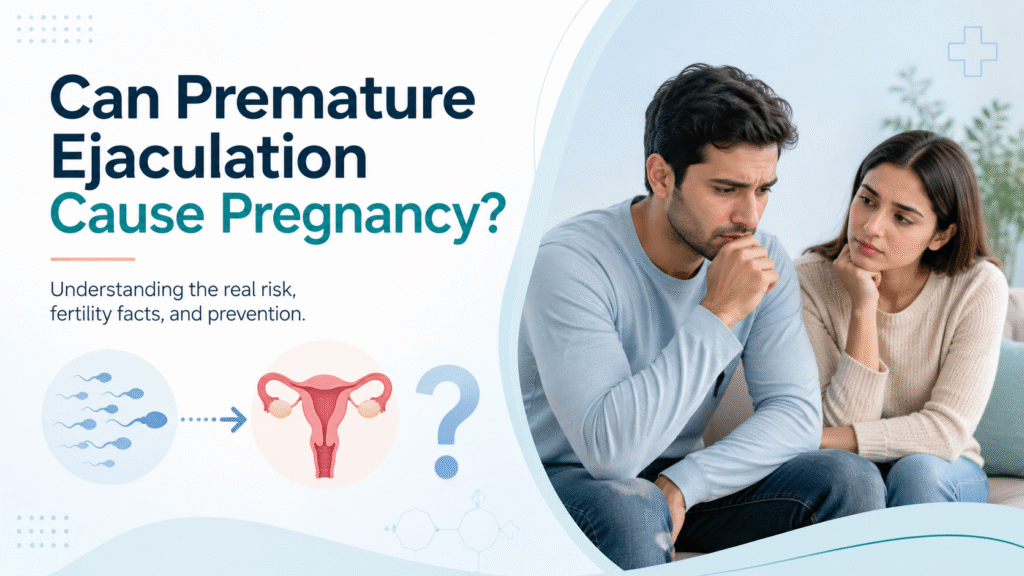
Given the intricate nature of ejaculation and fertility, premature ejaculation can potentially impact the likelihood of conception. If ejaculation occurs before penetration or shortly after, it may reduce the chances of sperm reaching the egg. However, the presence of sperm in the pre-ejaculate fluid and the timing of intercourse relative to ovulation can still result in unintended pregnancy.
Factors Influencing Unintended Pregnancy
Several factors can influence the likelihood of unintended pregnancy, even in cases of premature ejaculation. One of the most significant factors is the presence of sperm in the pre-ejaculate fluid, also known as pre-cum. Although pre-ejaculate is primarily intended to lubricate the urethra and neutralize any acidic residue from urine, it can contain viable sperm. This means that even without full ejaculation, there is a risk of sperm entering the female reproductive tract and potentially leading to pregnancy.
Another crucial factor is the timing of intercourse relative to the female partner’s ovulation cycle. Women are most fertile during their ovulation period, which typically occurs around the midpoint of their menstrual cycle. If premature ejaculation happens during this fertile window, the chances of sperm fertilizing an egg increase significantly. Conversely, if intercourse occurs outside of this window, the likelihood of pregnancy diminishes, although it is not entirely eliminated due to the sperm’s ability to survive for several days in the female body.
Moreover, the frequency of sexual activity can also play a role. Couples who engage in regular intercourse are more likely to conceive, even if premature ejaculation occurs occasionally. Consistent sexual activity increases the chances of sperm being present in the female reproductive tract during ovulation. Additionally, factors such as the overall health and fertility of both partners, lifestyle choices, and the use of contraception can further influence the likelihood of unintended pregnancy.
The Role of Timing in Conception
Timing plays a pivotal role in conception, and understanding this can help couples better manage their reproductive health. The female reproductive cycle is divided into several phases, with ovulation being the most critical for conception. Ovulation typically occurs around day 14 of a 28-day menstrual cycle, but this can vary from woman to woman. During ovulation, a mature egg is released from the ovaries and is available for fertilization for about 12-24 hours. This narrow window makes timing crucial for successful conception.
For men, the timing of ejaculation in relation to the female partner’s ovulation is vital. Sperm must be present in the female reproductive tract during the ovulation period to maximize the chances of fertilization. Given that sperm can survive in the female body for up to five days, intercourse in the days leading up to and including ovulation is most likely to result in pregnancy. Therefore, even if premature ejaculation occurs, if it happens within this fertile window, the chances of unintended pregnancy remain high.
It’s also important to consider the timing of ejaculation within the context of sexual activity. Premature ejaculation that occurs before penetration or shortly after may reduce the likelihood of sperm reaching the egg. However, if ejaculation happens during penetration, even if it is premature, there is still a significant chance of sperm entering the female reproductive tract. This underscores the importance of understanding and managing the timing of sexual activity to prevent unintended pregnancy effectively.
Misconceptions About Premature Ejaculation and Pregnancy
There are several misconceptions surrounding premature ejaculation and its impact on pregnancy, which can lead to confusion and misinformation. One common myth is that premature ejaculation completely eliminates the risk of pregnancy. While it is true that premature ejaculation may reduce the chances of sperm reaching the egg, it does not eliminate the possibility entirely. As previously mentioned, the presence of sperm in the pre-ejaculate fluid means that pregnancy can still occur even without full ejaculation.
Another misconception is that premature ejaculation is solely a psychological issue. While psychological factors such as anxiety and stress can contribute to PE, it is often a complex condition with multiple underlying causes. Physiological factors, including hormonal imbalances, abnormal neurotransmitter levels, and underlying health conditions, can also play a significant role. Understanding that PE is a multifaceted condition can help individuals seek appropriate treatment and support.
Additionally, some people believe that using withdrawal or the “pull-out” method is a reliable way to prevent pregnancy, especially in cases of premature ejaculation. However, the withdrawal method is not foolproof, as it relies heavily on timing and self-control. Given that pre-ejaculate fluid can contain sperm, there is still a risk of pregnancy even if ejaculation occurs outside the female body. Relying on withdrawal as a primary form of contraception is not recommended for those seeking to avoid unintended pregnancy.

Preventative Measures for Unintended Pregnancy
Preventing unintended pregnancy requires a proactive approach and a thorough understanding of contraceptive options. One of the most effective ways to prevent pregnancy is through the use of barrier methods, such as condoms. Condoms not only provide a physical barrier that prevents sperm from entering the female reproductive tract but also offer protection against sexually transmitted infections (STIs). When used correctly and consistently, condoms are highly effective in reducing the risk of unintended pregnancy.
Another option is hormonal contraception, which includes methods such as birth control pills, patches, injections, and intrauterine devices (IUDs). These methods work by regulating the female hormonal cycle, preventing ovulation, and creating an inhospitable environment for sperm. Hormonal contraception is highly effective when used as directed, but it requires a prescription and may have side effects that need to be discussed with a healthcare provider.
For those seeking a more permanent solution, sterilization procedures such as vasectomy for men and tubal ligation for women are available. These procedures are highly effective in preventing pregnancy but are considered irreversible, so they are best suited for individuals who are certain they do not want to have children in the future. Additionally, emergency contraception is an option for preventing pregnancy after unprotected intercourse or contraceptive failure. Emergency contraceptive pills are most effective when taken as soon as possible after the event and are available over-the-counter in many locations.
The Importance of Communication in Sexual Relationships
Open and honest communication is a cornerstone of healthy sexual relationships, especially when dealing with issues like premature ejaculation and unintended pregnancy. Discussing sexual health, contraception, and any concerns or anxieties can help partners feel more connected and supported. It is essential for both partners to express their needs, preferences, and boundaries to ensure a mutually satisfying and respectful sexual relationship.
When addressing premature ejaculation, it is important for partners to approach the topic with sensitivity and understanding. Avoiding blame and focusing on finding solutions together can help reduce the stress and pressure associated with the condition. Couples can explore different techniques and strategies to manage PE, such as practicing relaxation exercises, using desensitizing products, or trying different sexual positions that may help prolong ejaculation.
Effective communication also extends to discussing contraceptive options and making informed decisions together. Understanding and agreeing on the chosen method of contraception can help prevent unintended pregnancy and reduce anxiety during sexual activity. Regular check-ins and open dialogues about sexual health can strengthen the relationship and ensure that both partners feel heard and valued.
When to Seek Professional Help
While occasional premature ejaculation may not be a cause for concern, persistent or distressing PE can significantly impact a person’s quality of life and relationship. In such cases, seeking professional help is crucial. Healthcare providers, such as urologists, sex therapists, and psychologists, can offer valuable insights and treatment options tailored to the individual’s needs.
A comprehensive evaluation by a healthcare provider can help identify the underlying causes of premature ejaculation. This may involve a thorough medical history, physical examination, and possibly laboratory tests to assess hormonal levels and other relevant factors. Based on the findings, the healthcare provider can recommend appropriate treatment options, which may include medications, behavioral therapies, or lifestyle changes.
Medications such as selective serotonin reuptake inhibitors (SSRIs) and topical anesthetics can be effective in managing premature ejaculation. Behavioral therapies, such as the “stop-start” technique and the “squeeze” technique, can help individuals gain better control over their ejaculation timing. Additionally, addressing any underlying psychological issues through counseling or therapy can be beneficial.
Impact of Unintended Pregnancy on Relationships
Unintended pregnancy can have profound and far-reaching effects on relationships. The news of an unplanned pregnancy can evoke a wide range of emotions, from joy and excitement to fear and anxiety. How a couple navigates this challenging situation can significantly impact the future of their relationship.
For some couples, an unintended pregnancy can strengthen their bond and bring them closer together as they prepare for parenthood. The shared experience of planning for a new addition to the family can foster a sense of unity and purpose. However, for others, the stress and uncertainty associated with an unplanned pregnancy can strain the relationship. Financial concerns, career aspirations, and differing views on parenthood can lead to conflicts and tension.
Effective communication and mutual support are crucial during this time. Couples should engage in open and honest discussions about their feelings, expectations, and plans for the future. Seeking guidance from a counselor or therapist can also provide valuable support and help navigate the emotional complexities of an unintended pregnancy. It is essential for both partners to feel heard and respected as they make important decisions together.
Conclusion and Key Takeaways
Premature ejaculation is a common condition that can raise concerns about unintended pregnancy. Understanding the mechanics of ejaculation and fertility, as well as the factors influencing conception, is essential for managing reproductive health. While premature ejaculation can reduce the likelihood of sperm reaching the egg, the presence of sperm in the pre-ejaculate fluid and the timing of intercourse during the female partner’s fertile window can still result in pregnancy.
Addressing misconceptions about premature ejaculation and pregnancy, as well as exploring effective contraceptive options, can help prevent unintended pregnancy. Open communication and mutual support are vital in maintaining healthy sexual relationships and managing the challenges associated with PE. Seeking professional help when needed can provide valuable insights and treatment options tailored to individual needs.
Ultimately, understanding the complexities of premature ejaculation and its impact on fertility empowers individuals and couples to make informed decisions about their sexual health and relationships. By fostering open dialogues, practicing effective contraception, and seeking support when necessary, couples can navigate the challenges of premature ejaculation and unintended pregnancy with confidence and resilience.